Introduction to Gene Expression
All cells in your body contain the same genes.
Your muscle cells contain the gene that codes for insulin, just as your pancreatic beta cell contains genes that code for actin and myosin.
So how are cells different…?
It has to do with Gene Expression. Different genes are expressed (or not expressed) in different cell types.
Gene expression
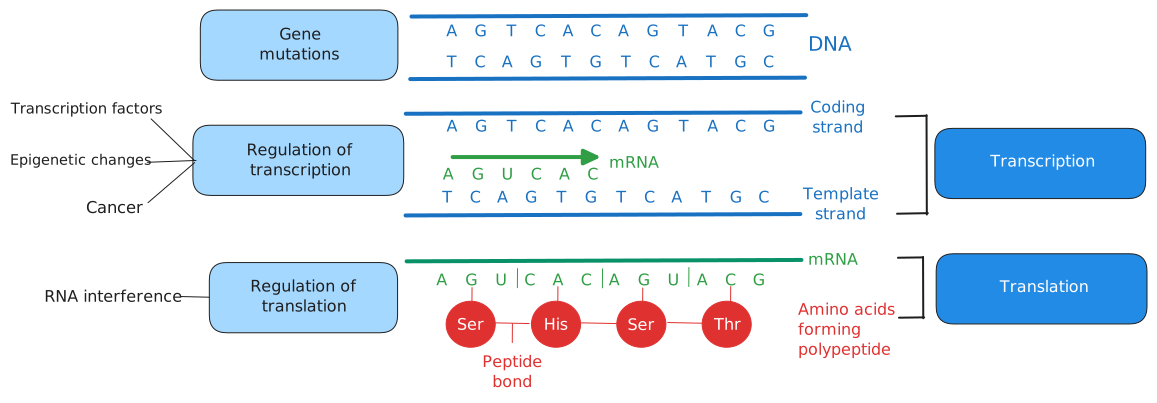
Is the process by which a gene is used to make a functional protein. When a gene is expressed, it is transcribed into mRNA and then translated into a protein
In pancreatic beta cells, the insulin gene is expressed, whereas in muscle cells, genes coding for actin and myosin are expressed.
Genes that are not required in a particular cell type are switched off, meaning they are not transcribed and therefore not translated.
There are many factors that impact when and how a gene is expressed. These can range from mutations in the DNA sequence to how transcription and translation is regulated.
2 main sections
This unit can be split into 2 main sections.
- Control of gene expression
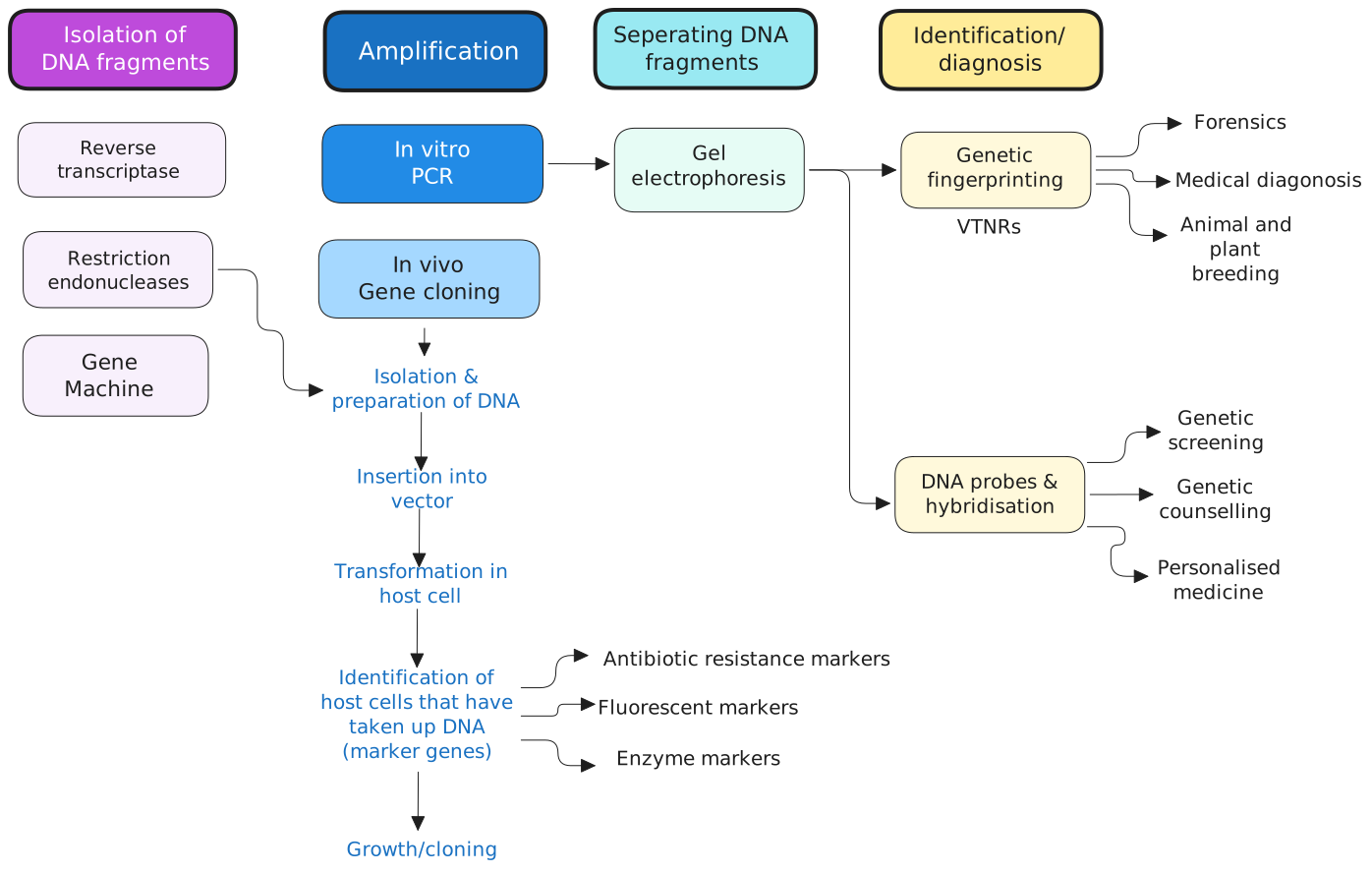
- Gene Technologies
A Few Tips for Unit 8
- Unit 8 builds on the concepts from Unit 4, I recommend revisiting these topics from Unit 4 if you aren’t comfortable with them, see below:
- Unit 4: DNA genes & chromosomes
- Unit 4: DNA & protein synthesis
- There are a lot of different gene technologies to understand and remember! Before getting lost in the details, I would first try to understand how they fit together and when to use each method.